
15 Foods That Increase Testosterone (And a Few That Tank It)
Most men know that testosterone drops with age. What few men realize is that the grocery cart they push every week can either support that decline or slow it down. Diet is one of the most underused tools in hormonal health, and the research behind it is more compelling than many people expect.
Low testosterone affects energy, muscle mass, mood, libido, and body composition. Food alone cannot replace clinical treatment when levels are genuinely low, but making the right dietary choices creates a hormonal environment where your body can do its best work. The 15 options below are a strong place to start, along with a few foods worth limiting.
Why What You Eat Matters for Testosterone
Testosterone production depends on a chain of hormonal signals, nutritional inputs, and your body’s overall metabolic state. When any part of that chain breaks down, output drops. Understanding where food fits in explains why certain choices move the needle more than others.
How the Body Produces Testosterone
Testosterone is produced primarily by Leydig cells in the testes, in response to luteinizing hormone (LH) from the pituitary gland. Cholesterol is the direct precursor, so the body needs adequate amounts of healthy dietary fat to begin synthesis. Chronic inflammation, oxidative stress, and micronutrient deficiencies can all interrupt this process at different points.
The Nutrients Testosterone Depends On
Zinc, magnesium, vitamin D, and healthy fats are the four nutritional pillars most closely tied to testosterone production. A comprehensive review of foods and testosterone identified these nutrients consistently across studies, as well as antioxidants that protect testicular tissue from oxidative damage. Deficiencies in any one of them can drag levels down even in otherwise healthy men.
15 Foods That Increase Testosterone Naturally
Most of these are already staples of a well-rounded diet, and intentionally adding them is one of the more straightforward upgrades you can make for hormonal health.
Animal Proteins, Seafood, and Healthy Fats
These eight options provide the direct building blocks for testosterone production, from cholesterol-based precursors to essential minerals your body cannot synthesize on its own.
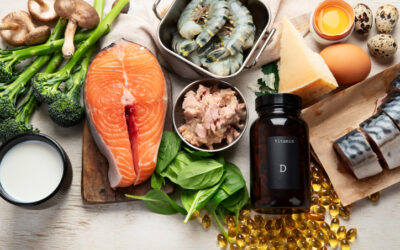
- Fatty fish (salmon, sardines, mackerel): Loaded with zinc, vitamin D, and omega-3s, fatty fish support hormonal balance and supply the healthy fats needed for steroid hormone synthesis.
- Oysters: Oysters contain more zinc per serving than any other food, and zinc deficiency alone is enough to cause hypogonadism in otherwise healthy men.
- Whole eggs: The yolk delivers cholesterol, vitamin D, and saturated fat, all direct inputs for testosterone synthesis, and research found that men eating whole eggs had higher T levels than those eating egg whites only.
- Lean beef: A concentrated source of zinc, protein, B vitamins, creatine, and carnitine, beef supports both hormonal production and the energy systems that testosterone depends on.
- Avocado: The magnesium in avocados reduces sex hormone-binding globulin (SHBG), the protein that locks up testosterone and keeps it out of active circulation.
- Extra virgin olive oil: Men who switched to olive oil as their primary fat source saw meaningful increases in testosterone in research, likely because its monounsaturated fats support the enzyme pathways involved in T synthesis.
- Brazil nuts: Two or three Brazil nuts cover the daily selenium requirement, and selenium plays a direct role in Leydig cell function and testicular tissue protection.
- Dark chocolate and cocoa: High in magnesium and flavonoid antioxidants, cocoa helps protect testosterone-producing cells from oxidative stress that accumulates with age.
Fruits, Vegetables, and Plant-Based Powerhouses
Plant foods contribute through their antioxidant content, cortisol-reducing effects, and micronutrient density. Cortisol and testosterone operate in a hormonal tug-of-war, so foods that reduce chronic stress hormone levels create more room for testosterone to rise.
- Spinach and leafy greens: Among the best dietary sources of magnesium, leafy greens support testosterone particularly well in active men, where magnesium is depleted through sweat.
- Pomegranate: Rich in polyphenols, pomegranate reduces systemic inflammation, lowers cortisol, and has been linked to modest increases in testosterone in human studies.
- Garlic: Allicin, garlic’s active compound, lowers cortisol and supports LH output, which directly stimulates testosterone production in the testes.
- Ginger: Ginger supplementation enhances testosterone production by boosting LH levels, reducing oxidative stress in testicular tissue, and improving blood flow to the testes.
- Berries and cherries: Dense in antioxidants, these fruits protect Leydig cells from the oxidative damage that accumulates with age and chronic environmental stress.
- Cruciferous vegetables: Broccoli, cauliflower, and Brussels sprouts contain indole-3-carbinol, which converts to DIM in the body and helps clear excess estrogen, giving testosterone more room to function.
- Beans and legumes: Diets low in legumes have been associated with lower testosterone levels, and these foods deliver a useful combination of zinc, plant protein, and fiber that supports healthy hormonal metabolism.
Foods That Can Lower Your Testosterone
The flip side matters just as much. Some of the biggest dietary offenders are common fixtures in the modern Western diet, which may partly explain why low testosterone symptoms have become increasingly prevalent in younger men.
The Biggest Offenders to Watch Out For
These dietary patterns are most consistently linked to lower testosterone in the research:
- Alcohol: Chronic alcohol use is one of the most well-documented dietary suppressors of testosterone, interfering with hormone production in the testes while raising estrogen activity throughout the body.
- Processed foods and trans fats: Highly processed foods drive inflammation, disrupt metabolic health, and promote excess body fat, which increases aromatase activity and converts testosterone into estrogen.
- Refined sugar: Chronic blood sugar spikes promote insulin resistance, which is independently associated with lower circulating testosterone in men over time.
- Conventional dairy in excess: Conventional milk contains naturally occurring estrogens from lactating cows, and higher dairy intake has been linked to lower testosterone in several observational studies.
- Soy in large amounts: Soy contains phytoestrogens that weakly mimic estrogen. While moderate consumption appears neutral for most men, very high intake may affect hormone balance in sensitive individuals.
- Flaxseed in large quantities: High in lignans, flaxseed increases SHBG levels and reduces the amount of free, bioavailable testosterone circulating in the bloodstream.
Why These Foods Do the Most Damage
The common thread is that they increase estrogen activity, promote fat accumulation, or suppress the hormonal signals that drive testosterone production. When several of these patterns combine over months and years, the cumulative effect is far more significant than any single food in isolation.
When Diet Changes Are Not Enough
These upgrades are worth making regardless of where your testosterone currently stands, but food works best as a foundation. There are real limits to what nutrition can accomplish when levels have dropped or the underlying cause is physiological.
Signs Your Levels May Need Clinical Attention
Persistent fatigue, low libido, difficulty building muscle, mood changes, and increased body fat around the midsection are all potential signs of clinically low testosterone. These symptoms overlap with other conditions, so blood work is the only reliable way to know where your levels actually stand.
Professional Support at Lowcountry Male
If your levels come back low, dietary changes alone may not be enough to make a meaningful difference in how you feel. At Lowcountry Male, the clinical team offers blood testing, a full symptom review, and a personalized treatment plan. From testosterone replacement therapy to peptide protocols and GLP-1 support, every plan is built around your specific physiology and goals. With locations across South Carolina and Georgia, you can get a complete picture of your hormonal health in an accessible, straightforward way. Schedule a consultation to find out exactly where you stand.
RELATED ARTICLES
12 Foods That Naturally Boost Testosterone Levels
Written & Medically Reviewed by:Steve Nathanson, MD, ABAARM, FAAMFMFunctional Medicine Physician, Lowcountry Male & Aqua VitaePracticing...
The #1 Vitamin Deficiency That Is Causing you to Age Faster
Can the “Sunshine Vitamin” Help You Stay Younger Longer? Aging is inevitable, but how quickly we age may not be. Scientists are increasingly...

Trimix vs. P-Shot®: Choosing the Right ED Treatment for Your Needs
Erectile dysfunction affects millions of men, yet many are still searching for answers beyond the standard prescription pill. If Viagra or Cialis...