
Berberine for Men: Can It Help Lower Cholesterol and Improve Insulin Resistance?
Medically reviewed by Dr. Mario Menendez, MD, Medical Director, Lowcountry Male Clinic
When most men think about improving their health, they focus on testosterone, building muscle, losing weight, or having more energy. However, two of the most important factors in long-term health often go unnoticed: cholesterol and insulin resistance. These metabolic markers can affect heart health, body composition, and overall wellness, sometimes years before you notice any symptoms.
That is why berberine for men has become a growing topic in metabolic health research. Berberine comes from plants such as barberry and goldenseal. Researchers have studied its possible effects on blood sugar, cholesterol, triglycerides, and insulin sensitivity. But does the science support these benefits, and how can you know whether it is making a real difference?
What Is Berberine, and How Does It Work?
Berberine is a naturally occurring plant compound used in traditional medicine for centuries. It is found in barberry, goldenseal, Oregon grape, and several other plants. More recently, researchers have studied its possible role in metabolic health, especially for people with high blood sugar or high cholesterol.
How Berberine Affects Your Metabolism
One proposed mechanism involves an enzyme called AMP-activated protein kinase, or AMPK. This enzyme acts like an energy sensor inside your cells and helps control how your body uses sugar and fat. Through this pathway and others, berberine may support healthy blood sugar levels and improve certain cholesterol and triglyceride numbers. It may also affect how well your body responds to insulin.
While these effects are promising, berberine for men is not a replacement for prescribed cholesterol or diabetes medications.
Berberine and Cholesterol: What Does the Research Show?
High LDL cholesterol and triglycerides are important heart disease risk factors, particularly for men with other metabolic concerns. Several clinical trials have tested whether berberine can move these numbers. One well-known study shows what berberine may do and where the evidence still falls short.
Inside the 116-Person Clinical Trial
In a randomized, placebo-controlled trial, researchers followed 116 adults with type 2 diabetes and abnormal cholesterol levels for three months. Neither the participants nor the researchers knew who was taking berberine and who was taking a placebo. By the end, the berberine group showed clear improvements in several markers:
- LDL cholesterol dropped from about 125 to about 100 mg/dL.
- Triglycerides dropped from about 222 to 143 mg/dL.
- Hemoglobin A1c, a measure of average blood sugar, dropped from 7.5% to 6.6%.
These changes were meaningful when compared with the placebo group. Taken together, the findings suggest berberine may affect several metabolic risk factors at the same time.
What the Trial Can and Can’t Tell Us
Even so, the trial has limits worth knowing. It was relatively short and included both men and women. It also did not test whether berberine prevents heart attacks or other heart events. In other words, the results show changes in lab numbers, not long-term protection.
Berberine and Insulin Resistance: Why Men Should Pay Attention
Cholesterol is only one part of the metabolic picture. The way your body handles blood sugar matters just as much. In fact, problems can start long before a standard test raises a red flag. Understanding insulin resistance helps explain why berberine has drawn so much interest.
What Insulin Resistance Does to Your Body
Insulin resistance happens when your cells stop responding well to insulin. As a result, your body has a harder time managing blood sugar. Over time, this can lead to higher blood sugar, more belly fat, metabolic syndrome, and type 2 diabetes. Many men have insulin resistance even when their fasting glucose is still within the normal range.
Berberine may improve some measures of glucose metabolism, although evidence varies by study. A few supplements, including berberine, may improve blood sugar control, but the research isn’t yet strong enough to draw firm conclusions.
How Berberine Compared With Metformin
In a small pilot trial, researchers compared berberine with metformin in adults newly diagnosed with type 2 diabetes. Over three months, the berberine group saw improvements in A1c, fasting glucose, and triglycerides. These results are encouraging. However, the study was small, and it does not show that berberine works as well as metformin for long-term diabetes care.
The Connection Between Metabolic Health and Testosterone
Obesity, insulin resistance, and low testosterone frequently occur together. Excess belly fat and metabolic problems can contribute to hormonal changes. At the same time, low testosterone often comes with less muscle and more body fat. Your body also uses cholesterol as a building block for testosterone, so it makes sense to review these markers side by side.
What Berberine Can and Cannot Do for Hormones
That does not mean berberine for men directly raises testosterone. There is not enough clinical evidence to recommend it as a testosterone-boosting treatment. Instead, the more meaningful link is that better metabolic health supports your overall wellness as a man.
“When we’re evaluating a man’s health, testosterone is only one piece of the puzzle. We also want to understand his cholesterol, blood sugar, insulin function, and cardiovascular risk. These markers help us identify underlying metabolic issues and build a treatment plan that addresses his overall health, not just individual symptoms.”
Dr. Mario Menendez, MD, Medical Director, Lowcountry Male Clinic
Know Your Numbers: Why Comprehensive Blood Testing Matters
Berberine may show promise in clinical studies, but those studies cannot tell you whether it is right for your body. Your own lab results are the best place to start. Here is why a full panel matters and what it can reveal.
Start With Your Metabolic Baseline
The first step is understanding where your metabolic health stands today. Without a baseline, it is hard to tell whether a supplement, diet change, or new medication is helping. At Lowcountry Male Clinic, comprehensive blood testing helps our providers look at the full picture of your health.
Key Markers in a Men’s Health Panel
Our providers review several important lab markers related to men’s health, including:
- LDL and HDL cholesterol: Important signs of heart disease risk.
- Triglycerides: Help show how well your body handles fats.
- Fasting glucose: Measures your blood sugar at the time of testing.
- Hemoglobin A1c: Reflects your average blood sugar over about three months.
- Fasting insulin: May offer more information about insulin resistance when appropriate.
- Liver enzymes: Help check how well your liver is working.
- Testosterone and related hormones: Give context for your overall hormone health.
These results can help uncover hidden concerns and guide a treatment plan built around you. Thinking about berberine for men or another supplement? Talk with a qualified provider about benefits, drug interactions, and follow-up testing.
Is Berberine Safe for Everyone?
Because berberine comes from plants, many people assume it is harmless. However, natural does not automatically mean risk-free. Before you start taking it, it is worth knowing both the common side effects and the bigger safety concerns.
Common Side Effects
The most common side effects of berberine are digestive. They include nausea, constipation, diarrhea, and stomach discomfort. These effects are usually mild, but it’s worth discussing them with your provider before you begin.
Medication Interactions and Limits
Berberine can also interact with medications, including some used to manage blood sugar. If you take any prescription medications, check with your healthcare provider before starting it. Berberine may improve certain lab numbers. Even so, it hasn’t been proven to replace statins, diabetes medications, or other proven treatments.
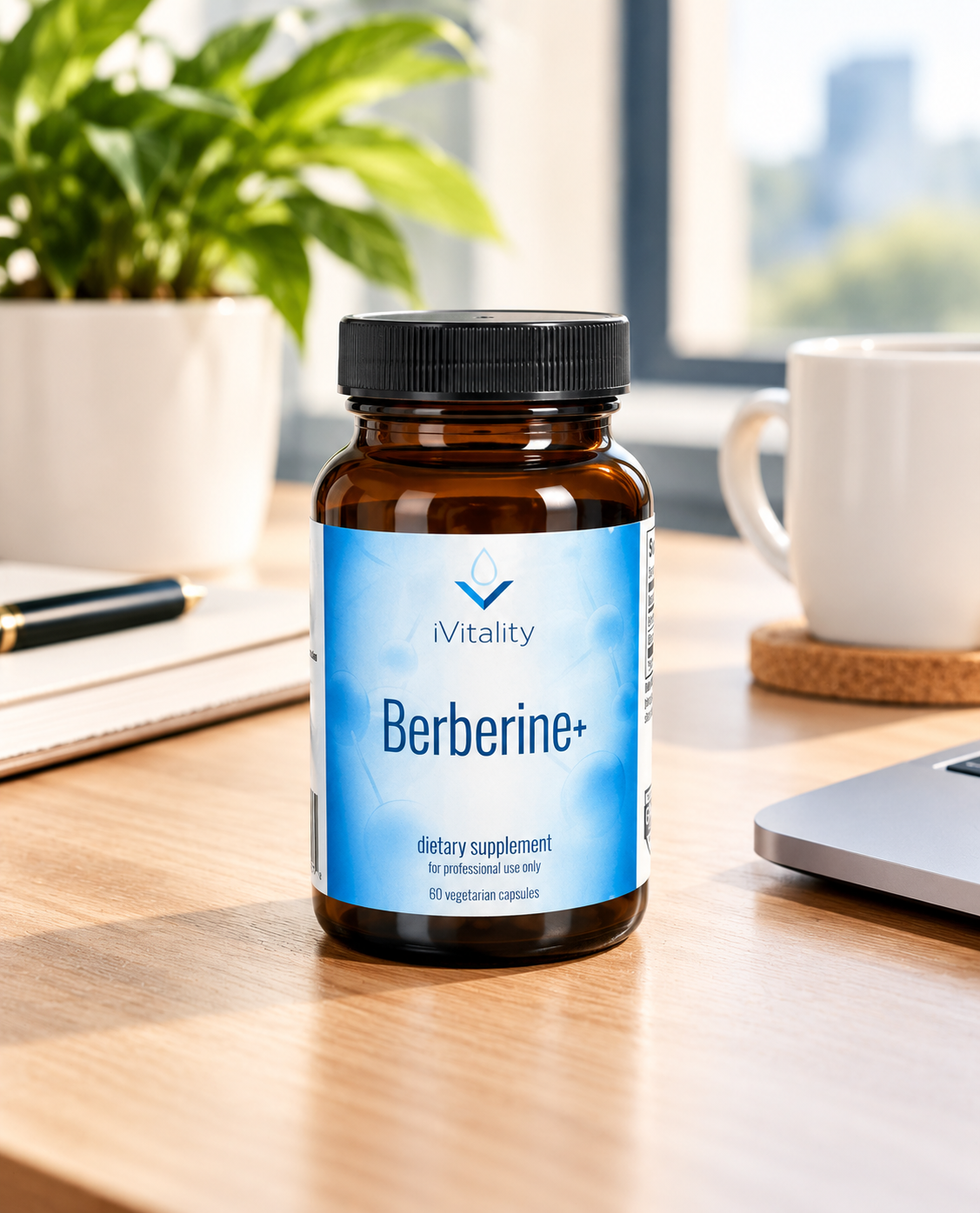
iVitality™ Berberine+: Why We Pair Berberine HCl With Alpha Lipoic Acid
At Lowcountry Male Clinic, we understand that metabolic health involves more than one number on a lab report. That is why we offer our own supplement, iVitality™ Berberine+. This blend combines Berberine HCl with alpha lipoic acid (ALA). Researchers have studied both compounds for their possible roles in metabolic health.
What Each Ingredient Brings
Researchers have studied Berberine HCl for its potential to support healthy glucose metabolism, cholesterol levels, and insulin sensitivity. Clinical trials have reported improvements in LDL cholesterol, triglycerides, and blood sugar in certain patient groups.
Alpha Lipoic Acid is an antioxidant your body makes on its own. It also helps your cells produce energy. Researchers have also explored its possible effects on insulin sensitivity, oxidative stress, and blood sugar control. Together, these ingredients offer a complementary approach that supports metabolic wellness through different pathways.
What We Know and What We Don’t
Each ingredient has been studied on its own, but their combined effects depend on the formula and the dose. Our blend has not necessarily been tested in the same clinical trials. More research is needed to confirm its specific benefits. Are you concerned about cholesterol, insulin resistance, or metabolic health? Our providers can help decide whether this supplement fits into a broader wellness plan.
Frequently Asked Questions
Many men have similar questions when they first hear about berberine for men. The answers below cover the most common ones. As always, your provider can guide you based on your health history.
Can berberine lower LDL cholesterol?
Some randomized clinical trials have found that adults taking berberine have lower LDL cholesterol. Results vary, and more high-quality research is needed to understand its long-term effects on heart health.
Does berberine help with insulin resistance?
Berberine may improve some measures of insulin sensitivity and blood sugar control, particularly in people who already have metabolic disorders.
Does berberine increase testosterone?
There is not enough evidence to recommend berberine as a testosterone-boosting supplement for men.
How long does berberine take to work?
Many clinical trials have measured metabolic changes over about 8 to 12 weeks. Individual results may vary, and your healthcare provider should guide any follow-up testing.
Take Control of Your Metabolic Health
The best way to approach metabolic health is to understand where you are starting. At Lowcountry Male Clinic, our blood testing checks cholesterol, triglycerides, glucose, A1c, and other markers of metabolic and hormone health. Then, with your results in hand, our providers can help you make smart choices about nutrition, lifestyle, supplements, and treatment.
Schedule Your Bloodwork and Consultation
We take a full-picture approach to men’s health, so your care plan reflects your metabolic, heart, and hormone markers. Ready to know your numbers? Schedule comprehensive bloodwork and a consultation at Lowcountry Male Clinic, and ask our team about our iVitality™ Berberine+ formula.
Sources & Further Reading
- Zhang Y, Li X, Zou D, et al. (2008). Treatment of Type 2 Diabetes and Dyslipidemia with the Natural Plant Alkaloid Berberine. Journal of Clinical Endocrinology & Metabolism, 93(7), 2559-2565. DOI: 10.1210/jc.2007-2404
- Yin J, Xing H, Ye J. (2008). Efficacy of Berberine in Patients with Type 2 Diabetes Mellitus. Metabolism, 57(5), 712-717. DOI: 10.1016/j.metabol.2008.01.013
- Utami AR, Maksum IP, Deawati Y. (2023). Berberine and Its Study as an Antidiabetic Compound. Biology, 12(7), 973. DOI: 10.3390/biology12070973
- Niskanen L, Laaksonen DE, Punnonen K, et al. (2004). Changes in Sex Hormone-Binding Globulin and Testosterone During Weight Loss and Weight Maintenance in Abdominally Obese Men with the Metabolic Syndrome. Diabetes, Obesity and Metabolism, 6(3), 208-215. DOI: 10.1111/j.1462-8902.2004.00335.x
- National Center for Complementary and Integrative Health. In the News: Berberine. nccih.nih.gov
- National Center for Complementary and Integrative Health. 5 Things To Know About Type 2 Diabetes and Dietary Supplements. nccih.nih.gov
RELATED ARTICLES

GLP-1s and Cancer: Promising New Research Suggests Their Benefits May Extend Beyond Weight Loss
GLP-1s and cancer: a 2026 ASCO study of 10,000+ patients linked GLP-1 use to less cancer spread in breast, lung, colorectal, and liver cancer. Here’s what it found.

Peptides for Weight Loss: How They Work and Which Ones Actually Deliver Results
Weight loss gets harder with age, and it has nothing to do with willpower. Hormone levels shift, metabolism slows, and the body starts storing fat...

The Dad Bod Debate Still Exists In The Winter. Yours Doesn’t Have To.
Lowcountry Male Helps You Say Goodbye to Your Dad Bod This Winter Winter has a way of making us all a little softer around the edges. Between...
LET’S CREATE PROGRESS TOGETHER
Have a question? Please fill out the form below and we will be in touch within 24 hours.